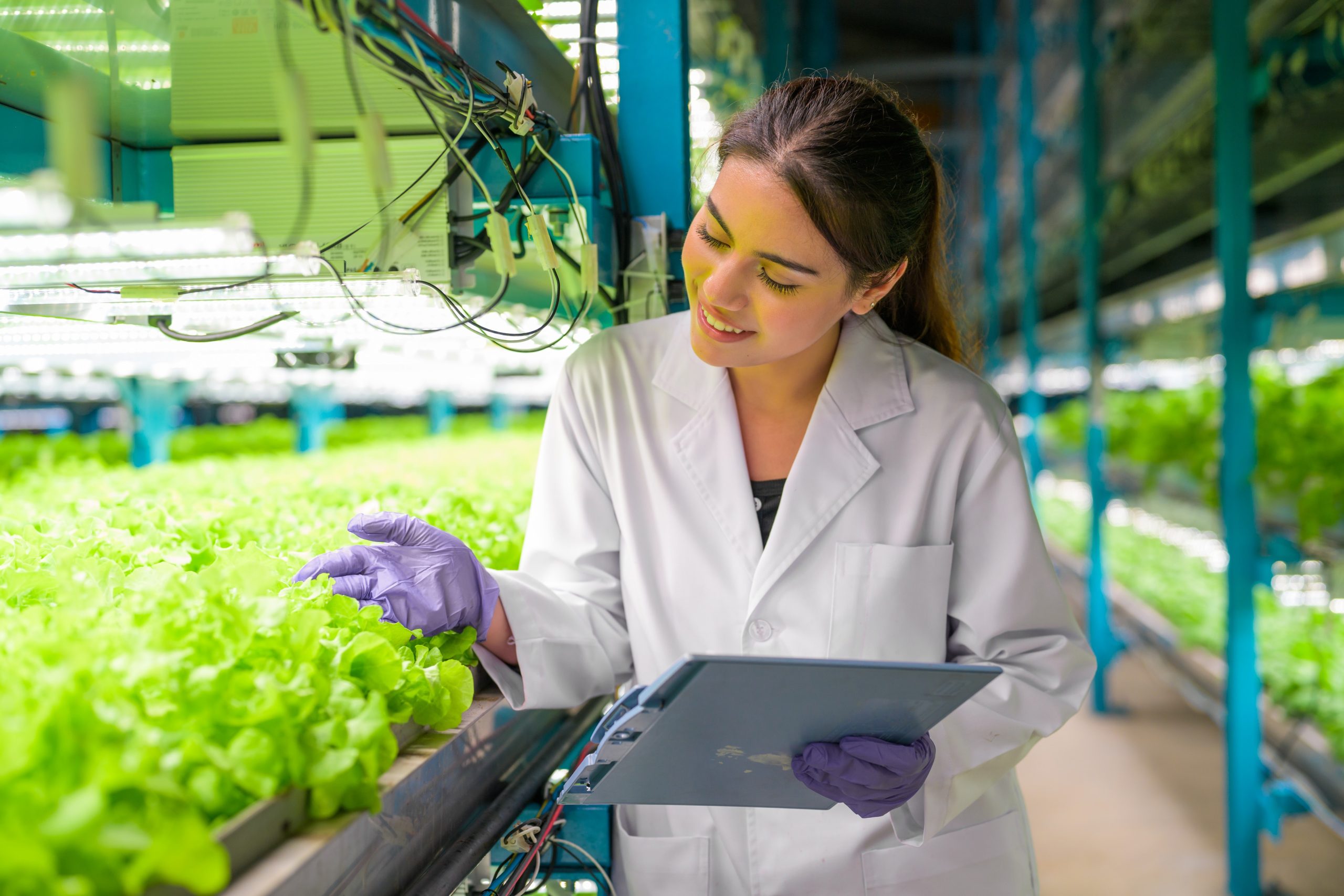
The Marriage of Technology and Food Safety: How AgTech is Revolutionizing the Industry

The food industry has come a long way since the days of hunter-gatherers, but with modernization, new challenges have emerged. One of the biggest concerns is food safety. Foodborne illnesses can cause serious health issues, and in some cases, even death. With the growing population and increasing demand for food, it’s essential to ensure that our food supply is safe. Enter AgTech – the use of technology in agriculture. In this blog, we’ll explore the intersection of AgTech and food safety and how it’s revolutionizing the industry.

Technology in Food Safety: The advent of AgTech has opened up new avenues for food safety. From sensors that detect pathogens in food to blockchain technology that tracks the entire supply chain, technology is playing a critical role in ensuring food safety.

Precision Agriculture: AgTech is also revolutionizing the way we grow our food. Precision agriculture uses data-driven techniques to optimize crop yields and minimize the use of resources like water, fertilizers, and pesticides. This not only helps in producing healthier crops but also reduces the risk of contamination.

Big Data and Analytics: With the help of big data and analytics, AgTech can predict potential food safety issues and prevent them before they occur. By analyzing vast amounts of data from sensors, drones, and other sources, AgTech can help identify potential hazards, such as pathogen outbreaks or pesticide residue.

Consumer Awareness: AgTech can help bridge the gap between consumers and producers. By providing transparent information about the entire supply chain, including where food comes from, how it’s grown, and how it’s transported, consumers can make informed decisions about what they eat.

While AgTech is still in its early stages, its potential to revolutionize the food industry cannot be denied. By incorporating technology in agriculture, we can ensure a safer, healthier, and more sustainable food supply. Let’s take a closer look at how AgTech is changing the game in food safety.

As the world’s population continues to grow, food safety will become even more critical. By leveraging the power of AgTech, we can ensure a safer, healthier, and more sustainable food supply. From precision agriculture to big data and analytics, technology is playing a critical role in ensuring food safety. As consumers, we must demand transparency in the food industry and support efforts to incorporate AgTech to make sure that we have access to safe and healthy food.

How AgTech is Revolutionizing the Food Supply Chain: From Farm to Table

Agricultural technology or AgTech has been transforming the way we produce and consume food. It refers to the use of technology to improve agricultural efficiency, productivity, and sustainability. The advancements in AgTech have changed the way we grow, process, transport, and distribute food. It is no longer just about producing food but producing it in a way that is sustainable, efficient, and meets the needs of a growing population. In this blog, we will discuss how AgTech is changing the food supply chain from farm to table and why it is crucial for the future of our food system.

Precision Agriculture: Precision agriculture is a farming technique that uses technology such as sensors, GPS, and drones to monitor crops’ health and growth in real-time. This technology helps farmers identify problem areas and take corrective measures promptly. It also enables them to optimize the use of resources such as water, fertilizers, and pesticides, leading to reduced waste and increased efficiency.

Farm Management Software: Farm management software is designed to help farmers manage their operations more efficiently. It allows farmers to track inventory, monitor weather patterns, and automate various tasks, making their work more manageable and reducing the risk of errors. With better data and analytics, farmers can make more informed decisions that improve their yields and overall profitability.

Vertical Farming: Vertical farming is a technique that involves growing crops in vertically stacked layers, usually in a controlled environment. This technology offers several benefits, including the ability to grow crops year-round, reduce water usage, and eliminate the need for pesticides. Additionally, vertical farming can reduce transportation costs, as farms can be located closer to urban centers, providing fresher produce to consumers.

Blockchain Technology: Blockchain technology can help improve food safety and traceability. By using a secure and transparent ledger, food producers can track their products from farm to table, reducing the risk of contamination and increasing consumer confidence. Consumers can also use blockchain technology to verify the origin and authenticity of their food products, ensuring that they are getting what they paid for.

In conclusion, AgTech is transforming the food supply chain, making it more efficient, sustainable, and transparent. From precision agriculture and farm management software to vertical farming and blockchain technology, these innovations are changing the way we produce, process, and distribute food. With a growing population and climate change threatening our food security, it is essential to continue investing in AgTech to ensure that our food system remains resilient and sustainable. We can all make a difference by supporting sustainable agriculture and choosing locally produced, organic foods.

Telemedicine: The Future of Health Care is Here

In recent years, telemedicine has become a buzzword in the health care industry. It has the potential to revolutionize health care delivery by allowing patients to receive medical care from the comfort of their own homes, and it is a game-changer in the era of social distancing. Telemedicine is defined as the use of telecommunications technology to provide medical care and services to patients remotely. It includes a wide range of services, such as virtual consultations, remote monitoring, and telehealth.
The COVID-19 pandemic has accelerated the adoption of telemedicine. The need for social distancing has made it difficult for patients to access traditional health care services, and telemedicine has emerged as a viable alternative. However, even before the pandemic, telemedicine was gaining popularity because of its potential to improve access to health care, reduce costs, and increase efficiency.

In this blog post, we will explore the potential of telemedicine to transform health care delivery. We will discuss the benefits of telemedicine, the challenges it faces, and the future of virtual care.

Benefits of Telemedicine

Telemedicine has several benefits that make it an attractive option for patients and health care providers alike. Here are some of the key advantages of telemedicine:

Improved Access to Care
Telemedicine can improve access to care, especially for patients who live in rural or remote areas. Telemedicine eliminates the need for patients to travel long distances to see a health care provider, which can be difficult and expensive for some patients.

Convenience
Telemedicine is a convenient option for patients who have mobility issues, chronic conditions, or other health issues that make it difficult for them to leave their homes. Telemedicine allows patients to receive medical care without leaving their homes, which can be especially important for patients who have limited mobility or transportation options.

Cost Savings
Telemedicine can help reduce health care costs. By eliminating the need for patients to travel to a health care facility, telemedicine can help reduce transportation costs. Additionally, telemedicine can help reduce the cost of health care by allowing health care providers to treat patients remotely, which can be more efficient and cost-effective than traditional in-person care.

Increased Efficiency
Telemedicine can help increase efficiency in the health care industry. By allowing health care providers to treat patients remotely, telemedicine can help reduce the amount of time health care providers spend on administrative tasks, such as scheduling appointments and filling out paperwork.

Challenges of Telemedicine

While telemedicine has many potential benefits, it also faces several challenges that must be addressed. Here are some of the key challenges of telemedicine:

Technology
One of the biggest challenges of telemedicine is the technology involved. Telemedicine requires reliable internet access and specialized software and hardware. Not all patients have access to the technology required for telemedicine, which can create barriers to access.

Reimbursement
Reimbursement is another challenge for telemedicine. In many cases, health insurance providers do not cover telemedicine services, which can make it difficult for patients to afford virtual care.

Legal and Regulatory Issues
Telemedicine is subject to legal and regulatory issues. Different states have different laws and regulations governing telemedicine, which can create confusion and uncertainty for health care providers and patients.

The Future of Telemedicine

Despite the challenges, the future of telemedicine looks bright. Telemedicine has the potential to transform health care delivery by improving access to care, reducing costs, and increasing efficiency. As technology continues to advance, telemedicine is likely to become even more widespread and accessible.

To fully realize the potential of telemedicine, it is important for health care providers and policymakers to address the challenges facing virtual care. This includes expanding access to technology and ensuring that telemedicine services are covered by health insurance providers.

Wearable Devices: The New Frontline of Health Care

Wearable devices have revolutionized the way we monitor our health and wellness. From simple fitness trackers to sophisticated medical devices, these gadgets have become an integral part of our lives. The global wearable technology market is expected to reach $54 billion by 2023, and the health care sector is a significant driver of this growth. The role of wearable devices in health care is expanding rapidly, and it has the potential to transform the way we diagnose, treat, and manage chronic diseases. In this article, we will explore the different types of wearable devices and their role in health care.

Fitness Trackers:
Fitness trackers are the most common type of wearable devices. They are designed to monitor physical activity, heart rate, and sleep patterns. They can help people maintain an active lifestyle and monitor their progress towards fitness goals. Fitness trackers are also used by healthcare providers to monitor patients with chronic conditions such as diabetes and heart disease.

Smartwatches:
Smartwatches are another popular type of wearable devices. They can track physical activity, heart rate, and sleep patterns like fitness trackers. But, they offer additional features such as GPS, voice assistants, and mobile payments. Smartwatches also have health-specific features like electrocardiogram (ECG) monitoring, fall detection, and blood oxygen monitoring. These features can help detect early signs of health problems and alert healthcare providers.

Medical Devices:
Wearable medical devices are designed for diagnosis, monitoring, and treatment of medical conditions. They are more sophisticated than fitness trackers and smartwatches and require regulatory approval from agencies like the FDA. Wearable medical devices can monitor vital signs, administer medication, and even provide therapy for chronic conditions like Parkinson’s disease and epilepsy.

Virtual Reality:
Virtual reality (VR) is a wearable technology that has shown promising results in treating mental health conditions such as anxiety and depression. VR headsets can simulate different environments and scenarios that can help patients manage their symptoms. For example, VR can simulate exposure therapy for patients with phobias or PTSD.

Wearable devices have the potential to transform the way we monitor and manage our health. Fitness trackers and smartwatches are becoming ubiquitous, and their integration with medical devices is on the rise. Wearable technology is also opening up new opportunities in telemedicine, personalized medicine, and preventive care. However, the effectiveness of these devices depends on their accuracy, reliability, and usability. Healthcare providers and patients need to be aware of the limitations and potential risks associated with these devices. As wearable technology continues to evolve, it is important to ensure that it is accessible, affordable, and effective for all.

If you are considering using a wearable device to monitor your health, consult with your healthcare provider to determine the most appropriate device and how to interpret the data. If you are a healthcare provider, stay informed about the latest developments in wearable technology and how it can benefit your patients. As consumers and healthcare providers, we have a responsibility to use wearable technology wisely and ensure that it promotes better health outcomes for everyone.

The Future of Agriculture: The Latest Trends and Technologies in AgTech

Introduction: Agriculture has always been an essential part of human civilization. Over time, farming practices have evolved, and technology has played a significant role in this evolution. AgTech or Agriculture Technology is an umbrella term that encompasses all the technologies used in farming and agriculture. With the world’s population expected to grow by over 2 billion by 2050, the need for efficient and sustainable agriculture is more significant than ever. In this blog, we will review the latest trends and technologies in AgTech and explore their potential to shape the future of agriculture.

Main Points:

Precision Agriculture: Precision agriculture is a data-driven farming approach that uses advanced technologies such as sensors, drones, and artificial intelligence to optimize crop yields, reduce waste, and lower costs. It allows farmers to analyze real-time data from their fields and make informed decisions to maximize their harvests. Precision agriculture also helps farmers minimize the use of pesticides and fertilizers, thus reducing environmental impacts.

Vertical Farming: Vertical farming is an innovative farming technique that involves growing crops in vertically stacked layers, using artificial lighting and climate control systems. Vertical farming eliminates the need for large amounts of land and water, making it an ideal solution for urban areas. This technology also reduces the use of pesticides and herbicides, minimizes food waste, and increases crop yields.

Robotics and Automation: Robotics and automation are becoming increasingly popular in agriculture. Robotic systems can perform a variety of tasks, such as planting, harvesting, and spraying, with more precision and accuracy than humans. They can also operate around the clock, reducing labor costs and improving efficiency. Automation in agriculture can help increase yields, improve quality, and reduce waste.

Gene Editing and Biotechnology: Gene editing and biotechnology are revolutionizing agriculture by enabling scientists to modify crops and livestock to improve their resilience, yield, and nutritional content. Gene editing can help crops resist pests and diseases, tolerate extreme weather conditions, and reduce their environmental impact. Biotechnology can also help produce more nutritious food, such as crops with higher levels of vitamins and minerals.

The latest trends and technologies in AgTech have the potential to revolutionize agriculture and transform the way we produce food. From precision agriculture and vertical farming to robotics and automation, these technologies can help increase yields, improve quality, and reduce waste. Gene editing and biotechnology can also improve crop resilience and produce more nutritious food. It is crucial for farmers, scientists, and policymakers to embrace these technologies and work together to create a more sustainable and efficient agricultural system.

As consumers, we can also support sustainable agriculture by choosing locally sourced and organic food, reducing food waste, and supporting farmers who adopt eco-friendly practices. Let’s all work together to build a better, more sustainable future for agriculture.

Harvesting the Benefits: The Impact of AI and Machine Learning on Agriculture

Agriculture is a crucial industry that feeds the world’s population, but it faces numerous challenges such as climate change, limited resources, and rising demand. However, advances in AI and machine learning have transformed the way we cultivate crops and raise livestock. From precision farming to automated harvesting, these technologies have the potential to increase efficiency, reduce waste, and improve yields. In this blog, we will explore the impact of AI and machine learning on agriculture and how they are revolutionizing this vital sector.
Precision Farming: AI and machine learning enable farmers to optimize crop growth by analyzing data such as soil moisture, temperature, and nutrient levels. These technologies allow farmers to customize irrigation, fertilization, and pest control, resulting in higher yields, lower costs, and reduced environmental impact.

Livestock Management: AI and machine learning help farmers monitor the health and well-being of their animals. For instance, sensors can track vital signs, feeding patterns, and behavior, alerting farmers to potential health issues. This leads to better animal welfare, increased productivity, and reduced disease transmission.

Crop Monitoring and Prediction: AI and machine learning can analyze satellite images and drone footage to assess crop health and predict yield. This helps farmers make informed decisions about when to harvest, how much fertilizer to use, and where to plant crops. It also enables early detection of crop diseases and pests, preventing crop losses and reducing the need for pesticides.

Automated Harvesting: AI and machine learning can automate harvesting, reducing labor costs and increasing efficiency. For instance, robots can pick fruits and vegetables at a faster rate than humans, reducing waste and ensuring produce is harvested at the optimal time.

While the benefits of AI and machine learning in agriculture are clear, it’s important to consider the potential drawbacks.

Challenges and Considerations: Despite the benefits, AI and machine learning also raise ethical, social, and economic considerations. For example, these technologies may increase the digital divide between large and small-scale farmers. They may also lead to job loss in the agricultural sector, particularly for manual laborers.

AI and machine learning are transforming the agricultural sector, helping farmers increase efficiency, reduce waste, and improve yields. However, it’s important to consider the potential challenges and ensure that these technologies are used in a way that benefits all stakeholders. By investing in AI and machine learning, we can help ensure a sustainable and resilient food system for generations to come.

Vertical Farming: The Future of Sustainable Agriculture?

With the world’s population expected to reach 9.7 billion by 2050, the demand for food is likely to increase by 60%. However, climate change, water scarcity, and soil degradation pose significant challenges to traditional agriculture. Therefore, it’s crucial to explore alternative methods of food production that are sustainable, efficient, and environmentally friendly. One such method is vertical farming.
Definition and Benefits of Vertical Farming:
Vertical farming is the practice of growing crops in vertically stacked layers, using artificial lighting, temperature control, and nutrient delivery systems. This technology enables farmers to produce food in urban areas, reducing transportation costs and carbon emissions. Additionally, it uses 90% less water and land than traditional farming, and the crops grow faster due to optimal growing conditions.

Technological Advancements in Vertical Farming:
Recent advancements in vertical farming technology have made it more accessible and cost-effective. For instance, LED lights have replaced traditional fluorescent lighting, reducing energy costs by up to 70%. Also, vertical farming companies are developing AI-powered systems that monitor plant growth and adjust the environment accordingly, optimizing crop yields.

Challenges and Limitations:
Although vertical farming offers many benefits, it faces some challenges and limitations. For example, the initial costs of setting up a vertical farm can be high, and it requires a significant amount of electricity to maintain optimal growing conditions. Moreover, some crops, such as grains and root vegetables, are not suitable for vertical farming.

Future Implications and Call to Action:
Vertical farming has the potential to revolutionize food production and solve many of the challenges facing traditional agriculture. Governments and private organizations should invest in research and development to improve the technology and make it more affordable and accessible to farmers. Additionally, individuals can support the growth of vertical farming by purchasing locally grown produce and advocating for sustainable farming practices.

Vertical farming is a promising solution to the challenges facing traditional agriculture. Its sustainable, efficient, and environmentally friendly nature makes it an attractive option for meeting the world’s increasing demand for food. With continued advancements and investment, vertical farming could become the future of sustainable agriculture.

Why Healthcare Tech Companies Should Work with Executive Search Firms for Recruitment

In today’s fast-paced and ever-changing world of healthcare technology, finding the right talent to fill key positions is critical to business success. However, identifying and hiring top-tier talent can be a challenging and time-consuming process. This is where executive search firms can help. In this blog, we will explore the benefits of working with an executive search firm for healthcare tech recruitment.
Main Points:

Access to a large pool of qualified candidates: Executive search firms have a vast network of potential candidates that are not available through traditional recruitment methods. These candidates are typically passive job seekers, meaning they are not actively looking for a job but are open to new opportunities. By partnering with an executive search firm, healthcare tech companies can tap into this pool of high-quality candidates.

Expertise in healthcare tech industry: Executive search firms have deep knowledge and understanding of the healthcare tech industry. They understand the technical skills required for different positions and have a good understanding of the industry trends, regulatory environment and the unique challenges faced by healthcare tech companies. This knowledge and expertise helps executive search firms to find the right talent for healthcare tech companies.

Saves time and resources: Recruiting top-tier talent can be a time-consuming process. It involves creating job postings, reviewing resumes, screening candidates, and conducting interviews. By partnering with an executive search firm, healthcare tech companies can offload these responsibilities and focus on their core business activities. This saves time and resources, allowing companies to operate more efficiently.

Confidentiality: Executive search firms maintain confidentiality throughout the recruitment process. They understand the sensitivity of the information shared and take necessary steps to ensure that candidate information is kept confidential. This is particularly important for healthcare tech companies that may be recruiting for sensitive positions.

Ensures cultural fit: Executive search firms take the time to understand the company culture and values. This enables them to identify candidates who are a good fit for the company culture, ensuring a smooth integration into the team. A good cultural fit not only improves employee satisfaction but also reduces turnover.

In conclusion, partnering with an executive search firm can provide many benefits to healthcare tech companies. They have access to a large pool of qualified candidates, expertise in the healthcare tech industry, save time and resources, maintain confidentiality, and ensure cultural fit. By working with an executive search firm, healthcare tech companies can focus on their core business activities and leave the recruitment process to the experts. If you are a healthcare tech company struggling with talent acquisition, partnering with an executive search firm might be the solution you need to find the right talent and take your business to the next level.

How to Assess Cultural Fit in Healthcare Tech Executive Recruitment

Recruiting top executives for healthcare tech companies is crucial for success in the industry. However, finding the right fit goes beyond just assessing their technical abilities and experience. Cultural fit is equally important and can impact the company’s growth and success in the long run. In this blog post, we will explore how to evaluate cultural fit when recruiting healthcare tech executives.
Why it’s important:
Hiring a candidate who does not align with the company culture can result in high turnover rates, decreased productivity, and low morale. It is important to ensure that the new executive not only has the necessary skills but also shares the same values, vision, and work ethic as the rest of the team. Assessing cultural fit can help mitigate these risks and lead to a successful long-term partnership.

Main points:

Define the company culture: Before evaluating cultural fit, it is important to have a clear understanding of the company’s values, mission, and goals. This information can be gathered by speaking to current employees and conducting internal surveys.

Incorporate cultural fit in the job description: It is essential to include the company’s cultural values and expectations in the job description. This will help attract candidates who share the same values and screen out those who do not.

Conduct behavioral interviews: Behavioral interviews are a great way to evaluate cultural fit. These interviews assess the candidate’s past behavior in various work situations, providing insights into their work style, communication skills, and values.

Observe team dynamics: Observing how the candidate interacts with current team members can provide valuable insights into how they will fit into the team. This can be done by having the candidate meet with team members during the interview process or by inviting them to participate in team activities.

Use personality assessments: Personality assessments can provide additional insights into a candidate’s work style, communication preferences, and values. However, it is important to use validated and reliable assessments to avoid bias and ensure accuracy.

Evaluating cultural fit is crucial when recruiting healthcare tech executives. It helps ensure that the candidate aligns with the company’s values and vision, leading to a successful long-term partnership. By defining the company culture, incorporating cultural fit in the job description, conducting behavioral interviews, observing team dynamics, and using personality assessments, recruiters can effectively assess cultural fit and find the right candidate for the job.

Recruiters should prioritize cultural fit when evaluating candidates for healthcare tech executive roles. By using the strategies outlined in this blog post, they can find the best candidate for the job and ensure long-term success for the company.

How Diversity and Inclusion Are Changing Healthcare Tech Executive Recruitment

The healthcare industry is constantly evolving, and technology plays a significant role in shaping it. As healthcare becomes more complex, the need for diverse and inclusive leaders in healthcare technology increases. In this blog, we will discuss the importance of diversity and inclusion in healthcare tech executive recruitment and the impact it has on the industry.
Why Diversity and Inclusion Are Important in Healthcare Tech Executive Recruitment:
Diversity and inclusion are critical for healthcare tech executive recruitment because they bring a wide range of perspectives and experiences to the table. It is important to recognize that diversity extends beyond race and gender to include factors such as age, ethnicity, culture, and socioeconomic background. Inclusion ensures that everyone feels valued and respected, and their contributions are recognized.

Improved Patient Care: Diverse and inclusive leadership teams can provide a better understanding of the diverse patient populations they serve. This understanding can lead to more effective treatments, better communication, and increased patient satisfaction.

Innovation: Diverse teams have a broader range of experiences, skills, and perspectives. This diversity can lead to more innovative solutions to complex problems in healthcare technology.

Recruitment and Retention: When organizations prioritize diversity and inclusion in their leadership teams, they are more likely to attract and retain top talent from diverse backgrounds. This can lead to a more robust and diverse talent pool.

Reputation and Brand Image: Healthcare organizations that prioritize diversity and inclusion in their leadership teams can improve their reputation and brand image. Patients and employees alike are more likely to choose an organization that values diversity and inclusion.

Legal and Ethical Considerations: In many countries, there are legal and ethical requirements to ensure diversity and inclusion in the workplace. Healthcare organizations must comply with these regulations and strive for equity in their leadership teams.

Diversity and inclusion are critical to healthcare tech executive recruitment, and organizations that prioritize them can reap significant benefits. Improved patient care, innovation, recruitment and retention, reputation and brand image, and legal and ethical considerations all highlight the importance of diversity and inclusion in healthcare technology. It is time for healthcare organizations to recognize the value of diverse and inclusive leadership teams and take action to prioritize them in their recruitment processes.

As healthcare technology continues to evolve, it is more important than ever to prioritize diversity and inclusion in executive recruitment. Healthcare organizations must recognize the value of diversity and inclusion and take action to create more diverse and inclusive leadership teams. By doing so, we can create a more equitable and innovative healthcare industry.

Skip to content